
How to Dress Expensive on Any Budget

Nora Whitmore
7 min read

Looking expensive has very little to do with price tags.
Some of the most polished women you see are not wearing designer head-to-toe. What they are wearing is intention. The right colors. The right fabrics. The right fit. When those three things align, even affordable pieces can look elevated.
If you've ever put on an outfit and felt like it looked slightly "off" despite being new, the issue was likely not the brand. It was one of these elements.
Here's how to refine them.
Choose Colors That Look Intentional
Color is one of the fastest signals of polish.
Outfits tend to look more expensive when the palette is cohesive and controlled. This does not mean you have to wear only neutrals, but it does mean your colors should feel harmonious.
Monochrome dressing is one of the easiest ways to elevate any outfit. Wearing one color from head to toe, such as cream, navy, gray, or chocolate brown, instantly creates visual continuity. It elongates the body and removes distractions.
If you prefer mixing shades, keep them within the same color family or choose combinations that naturally complement each other. Camel and cream. Navy and soft blue. Burgundy and blush. When colors relate to each other, the outfit feels curated rather than random.
Another important detail is choosing colors that flatter your skin tone. When a shade enhances your natural undertone and contrast, your skin looks clearer and your features more defined. This alone can make affordable clothing look far more refined.
Highly saturated neons or overly bright synthetic tones can sometimes read as less elevated, especially in inexpensive fabrics. Muted, rich, or classic shades often look more luxurious because they feel timeless.
Color sets the foundation. Keep it cohesive, flattering, and deliberate.
Pay Attention to Fabric First
Fabric is often what separates a piece that looks expensive from one that does not.
Even the best color and fit cannot compensate for thin, clingy, or overly shiny material. When shopping on a budget, touch and structure matter more than labels.
Look for fabrics that hold their shape. Cotton with weight. Structured wool blends. Linen with substance. Denim that feels sturdy. Knits that are not overly sheer. These materials create clean lines and maintain their silhouette throughout the day.
Texture also plays a role. Matte fabrics often look more refined than high-shine synthetics. Subtle texture, such as tweed, ribbed knit, suede, or structured crepe, adds depth and dimension without looking flashy.
If you are shopping in person, gently scrunch the fabric in your hand and release it. Does it wrinkle immediately and look limp? Or does it bounce back and retain structure? Fabrics that hold their form naturally look more polished.
Investing in fewer pieces with better materials will elevate your wardrobe far more than buying many trend-driven items in lower-quality fabric.
Fit Is Everything
No styling trick can replace proper fit.
Clothing that is too tight can pull and strain, which often looks less refined. Clothing that is too oversized without intention can appear sloppy rather than relaxed.
The goal is balance.
Tailored trousers should skim the body without clinging. Blazers should define your shoulders and waist without pulling at the buttons. Denim should sit comfortably at the waist and create clean lines through the leg.
Proportion matters just as much as size. If you are wearing something oversized on top, balance it with a more streamlined bottom. If you choose wide-leg trousers, consider a fitted knit or a structured jacket to create shape.
Small alterations can make an enormous difference. Hemming trousers to the right length or slightly tailoring a blazer can instantly make a budget piece look custom.
When clothing fits well, it communicates intention. And intention reads as expensive.
Keep Silhouettes Clean and Structured
Classic silhouettes tend to look more elevated than overly complicated designs.
Simple sheath dresses. Straight-leg or wide-leg trousers. Structured blazers. Clean button-down shirts. Well-cut coats. These pieces have longevity and sophistication built into their shape.
Excessive ruffles, heavy distressing, overly trendy cutouts, or too many competing details can sometimes make an outfit feel less refined. When you keep the silhouette clean, the overall effect is stronger.
Think in terms of timeless over trendy. The fewer distractions in the cut, the more expensive the piece appears.
Limit Visual Clutter
Another secret to dressing expensive on a budget is restraint.
Too many logos, bold graphics, or clashing prints can overwhelm the look. Subtlety often feels more luxurious.
Accessories should complement rather than compete. A structured bag in a cohesive color palette, simple jewelry in a consistent metal tone, and clean shoes go much further than multiple statement pieces layered together.
Even grooming plays a role. Smooth hair, polished makeup, and neat shoes elevate everything you wear.
Luxury is often about simplicity and confidence rather than excess.
Build Around Elevated Basics
If you want your wardrobe to look more expensive overall, focus on upgrading a few foundational pieces:
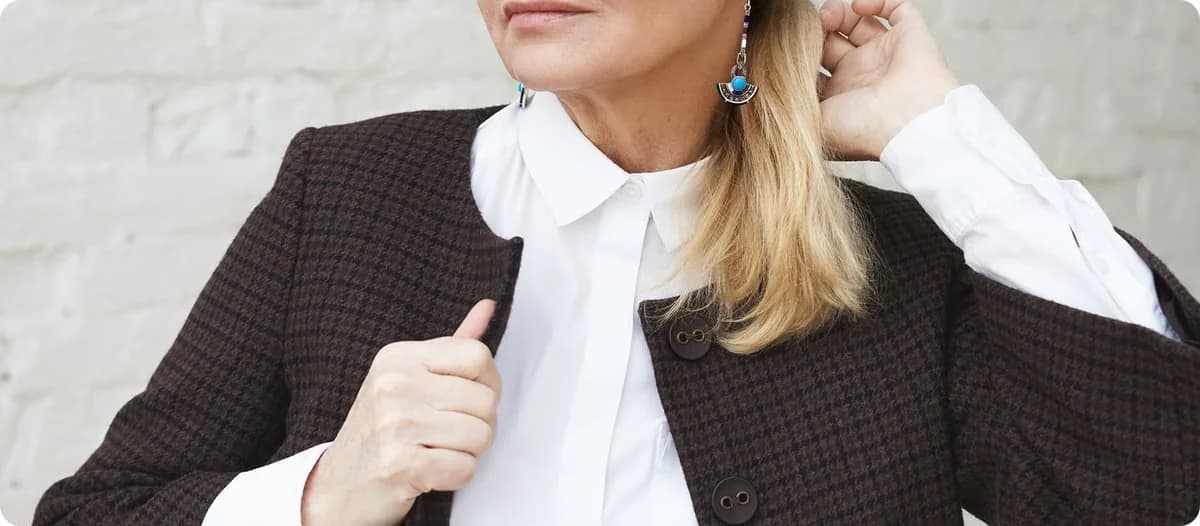
- A well-structured blazer
- Tailored trousers in a flattering cut
- High-quality denim
- A polished coat
- A refined knit in a flattering neutral
When these core items look elevated, you can pair them with more affordable trend pieces without compromising the overall impression.
This approach also reduces decision fatigue. When your base pieces already feel refined, your outfits come together faster.
Final Thoughts
Dressing expensive is not about chasing luxury brands. It is about choosing colors that flatter you, fabrics that hold their shape, and fits that create clean lines.
When your palette is cohesive, your materials feel substantial, and your silhouettes are balanced, even simple outfits look elevated.
Style is rarely about how much you spend. It is about how intentionally you choose.
And intention is always what makes an outfit look refined.
