
The Secret to Looking Put-Together (Even in Simple Outfits)

Nora Whitmore
8 min read
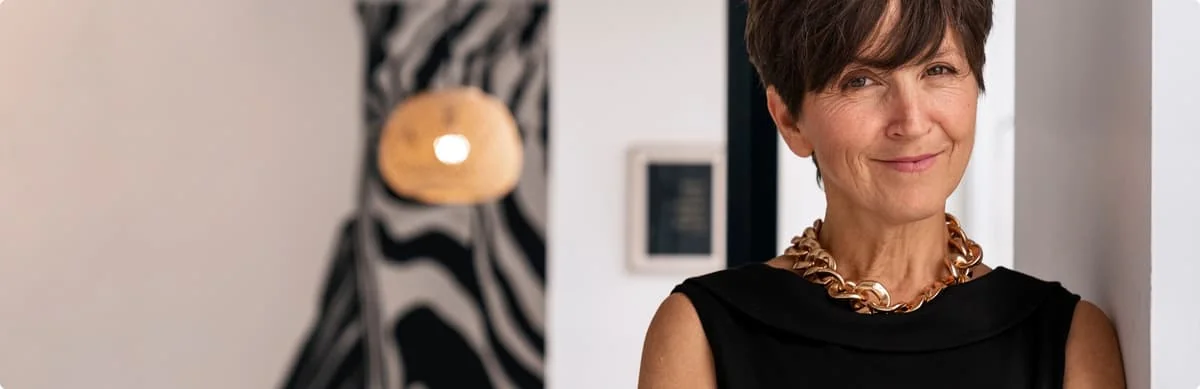
We've all seen it. Someone wearing the most basic combination imaginable, like jeans and a white tee, or black trousers and a knit, and somehow they look incredibly polished. Nothing feels overdone, yet everything feels intentional.
Looking put-together has very little to do with wearing complicated outfits. In fact, the simpler the base, the easier it is to look elevated. The difference usually comes down to a handful of styling principles that work quietly in the background: balance, color, contrast, proportion, fabric, and one underrated rule that ties it all together.
If you understand these, even your simplest outfits will start to look styled rather than thrown on.
Start With the 2/3 Rule
If you only remember one thing, make it this: at least two out of three elements should feel intentional.
The three elements are hair, makeup, and outfit.
If your outfit is very simple, for example jeans and a sweater, polished hair and a touch of makeup immediately elevate the look. If you are wearing minimal makeup and a relaxed hairstyle, then your outfit needs sharper structure or more intention in color and fit. When all three are completely undone, the overall impression feels unfinished. When at least two are considered, you automatically look more put-together.
This rule is powerful because it works every single day. It allows for flexibility while still creating balance. You do not need full glam and a statement outfit at the same time. You simply need harmony between these three areas.
Choose Colors With Intention
Color is one of the fastest ways to look polished. When your shades work with your skin tone and with each other, everything feels cohesive.
A simple outfit in a flattering color palette will always look more elevated than a complicated outfit in random shades. This is why coordinated neutrals, tonal dressing, or sticking within one color family often feels so chic. Cream with camel. Navy with soft blue. Chocolate brown with beige.
Understanding your personal color palette also makes a noticeable difference. When you wear shades that complement your undertone and natural contrast, your skin looks clearer and brighter. You need less makeup, and the entire outfit feels harmonious.
Looking put-together is rarely about bold color choices. It is about choosing the right colors and wearing them consistently.
Pay Attention to Contrast
Contrast refers to the difference between light and dark elements in your outfit and in your natural coloring.
If you have high contrast features, such as dark hair and lighter skin, outfits with stronger contrast, like black and white or deep navy and cream, often look striking and balanced on you. If your natural coloring is softer and lower contrast, gentle combinations, such as dusty blue with gray or beige with ivory, tend to feel more harmonious.
When your clothing contrast mirrors your natural contrast, your look feels cohesive without trying too hard. When the contrast is too harsh or too muted for you, something can feel slightly off, even if you cannot immediately explain why.
This is one of the quiet secrets behind why some simple outfits look incredibly polished on certain people. The contrast is working with them, not against them.
Get the Proportions Right
Even the most basic pieces look elevated when the proportions are balanced.
A slightly oversized blazer paired with a more fitted top. Wide-leg trousers styled with a tucked-in knit. A cropped jacket worn with high-waisted jeans. These small adjustments create shape and intention.
When everything is oversized, the outfit can feel heavy. When everything is skin-tight, it can feel overwhelming. The key is contrast in silhouette. Volume on top, slimmer on the bottom. Structured pieces paired with softer ones.
Proportion is often what separates a simple outfit from a styled one. It shows that the look was considered, not accidental.
Invest in Better Fabrics
Fabric is one of the most overlooked factors in looking put-together.
Even a basic outfit looks elevated when the materials have structure, drape, or texture. A thick cotton tee looks more polished than a thin, clingy one. A knit with weight and shape feels more refined than a flimsy sweater. Tailored trousers in a structured fabric will always look sharper than overly stretchy ones.
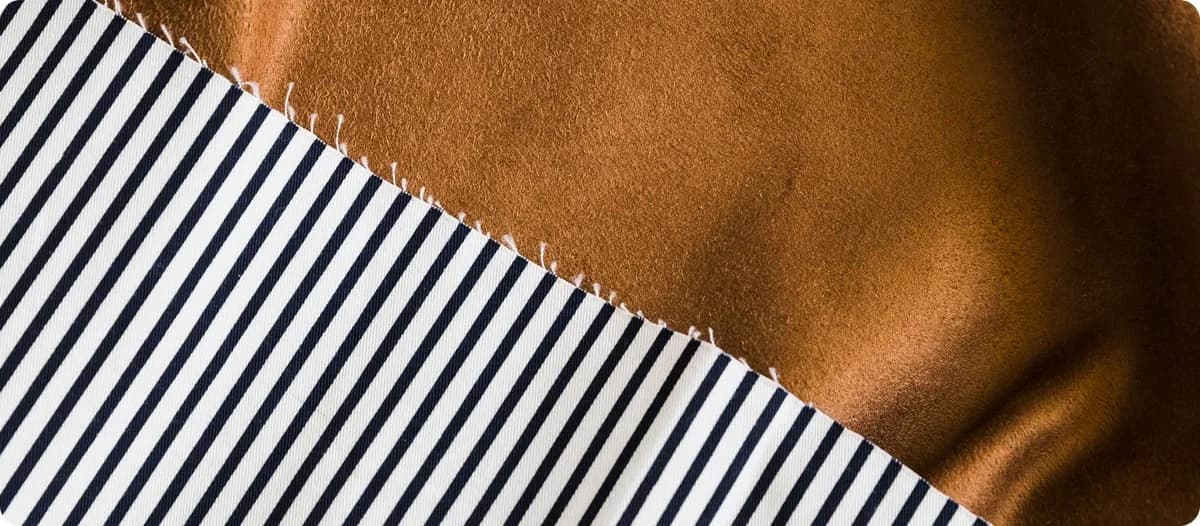
Texture also plays a role. Mixing materials, such as denim with leather, silk with wool, or cotton with structured suiting, adds depth without adding complexity. The outfit remains simple, but it does not look flat.
Quality fabrics catch the light differently, hold their shape, and signal intention. You do not need a large wardrobe, but choosing better materials makes a visible difference.
The Finishing Layer
Accessories, grooming, and small details are what complete the picture. Clean shoes, a structured bag, subtle jewelry, or even neatly rolled sleeves can transform the same base outfit.
Looking put-together is not about perfection. It is about cohesion. When your hair, makeup, and outfit align. When your colors suit you. When your contrast feels balanced. When your proportions create shape. When your fabrics add structure and texture.
Simple outfits are often the most powerful because they leave no room for distraction. Every detail matters a little more, and when those details are intentional, the result feels effortless.
The secret is not wearing more. It is refining what you already wear so that everything works together.
